Betekenis overdracht van vaardigheden
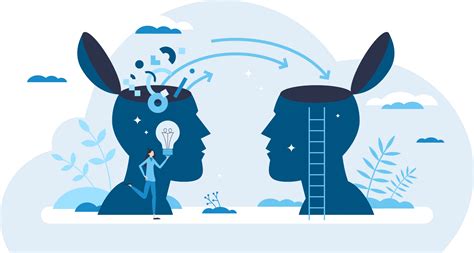
De overdracht van vaardigheden is een concept dat zowel in de particuliere sector als binnen gemeenschappen voorkomt. Het gaat om het delen van kennis, technieken en expertise van de ene entiteit of het ene individu met de andere. Het belangrijkste doel van kennisoverdracht in de organisatie is het verkleinen van de kloof tussen de theoretische kennis en praktische kennis van de individuele werknemer. Werknemers worden zelfverzekerder en capabeler tijdens het uitvoeren van hun taken. Betekenis overdracht van vaardigheden Kennisoverdracht verwijst naar het proces van het delen en doorgeven van kennis van de ene persoon, afdeling of generatie naar de andere binnen een organisatie. Dit cruciale aspect van kennismanagement draagt bij aan het behoud van waardevolle informatie en ervaringen, waardoor continuïteit en groei worden bevorderd.

Knowledge sharing Knowledge sharing is also found to have some beyond-convention work-related impacts, such as those on team climate and employees’ life satisfaction. Research on the outcomes of knowledge sharing.
Skill transfer meaning
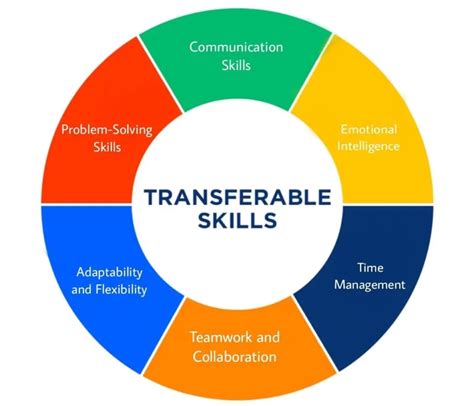
Transferable skills are skills you can take from one job to another. Examples include communication, adaptability, problem-solving. Transferable skills are abilities that can be applied across different roles and industries. Whether you're changing careers, re-entering the workforce or applying for a new position, showcasing these skills can help bridge the gap between your past experience and future opportunities. Skill transfer meaning Transferable skills represent the workplace skills and technical skills you've developed in one role that can be readily applied to another without requiring much additional training. For that reason, employers tend to value these skills.Knowledge sharing
Learn what knowledge sharing is, how it differs from knowledge transfer, and what factors influence it. Explore various methods and tools to facilitate knowledge sharing in organizations, communities, and networks. Learn what knowledge sharing is, why it is important, and how to implement it effectively in organizations. Explore the key components of knowledge sharing, such as creation, capture, transfer, application, and contextualization, and the role of communication channels, culture, incentives, technology, and leadership.Learning process
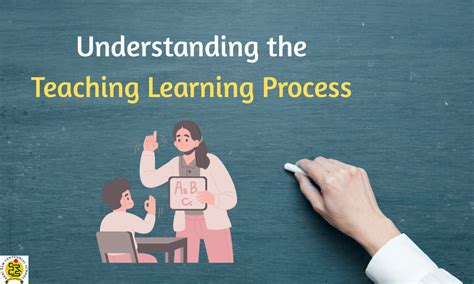
Learn about the four stages of the learning process and how to identify your preferred learning style. Explore the VAK/VARK model and multimodal learning strategies to enhance your learning experience. Learn about the four stages of the learning process: Unconscious Incompetence, Conscious Incompetence, Conscious Competence and Unconscious Competence. Harappa Education offers an online course to help you become an agile learner and apply lessons in real-life situations. Learning process Learn what learning process is, how it works, and why it matters. Explore the stages, components, and benefits of the learning process, with examples and resources.Training development
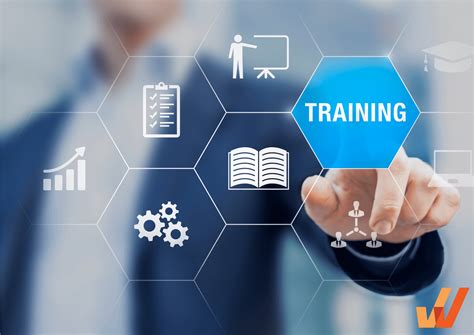
Learn what training and development is, how it benefits employees and organizations, and how to implement it effectively. Find out the difference between training and development, the steps of training and development process, and a real-life example of training and development. Training and development (T&D) refers to any activity that helps employees acquire or improve the knowledge, skills or capabilities they need to succeed at work. These programs can enhance performance in current roles and prepare employees for future opportunities within the organization.Training development Learn what training and development is, why it is important for businesses and employees, and how it is changing with technology and remote work. Explore the latest insights and resources on AI, cloud and more from IBM.